
Can Colombia Be the Dark Horse of the 2026 FIFA World Cup?
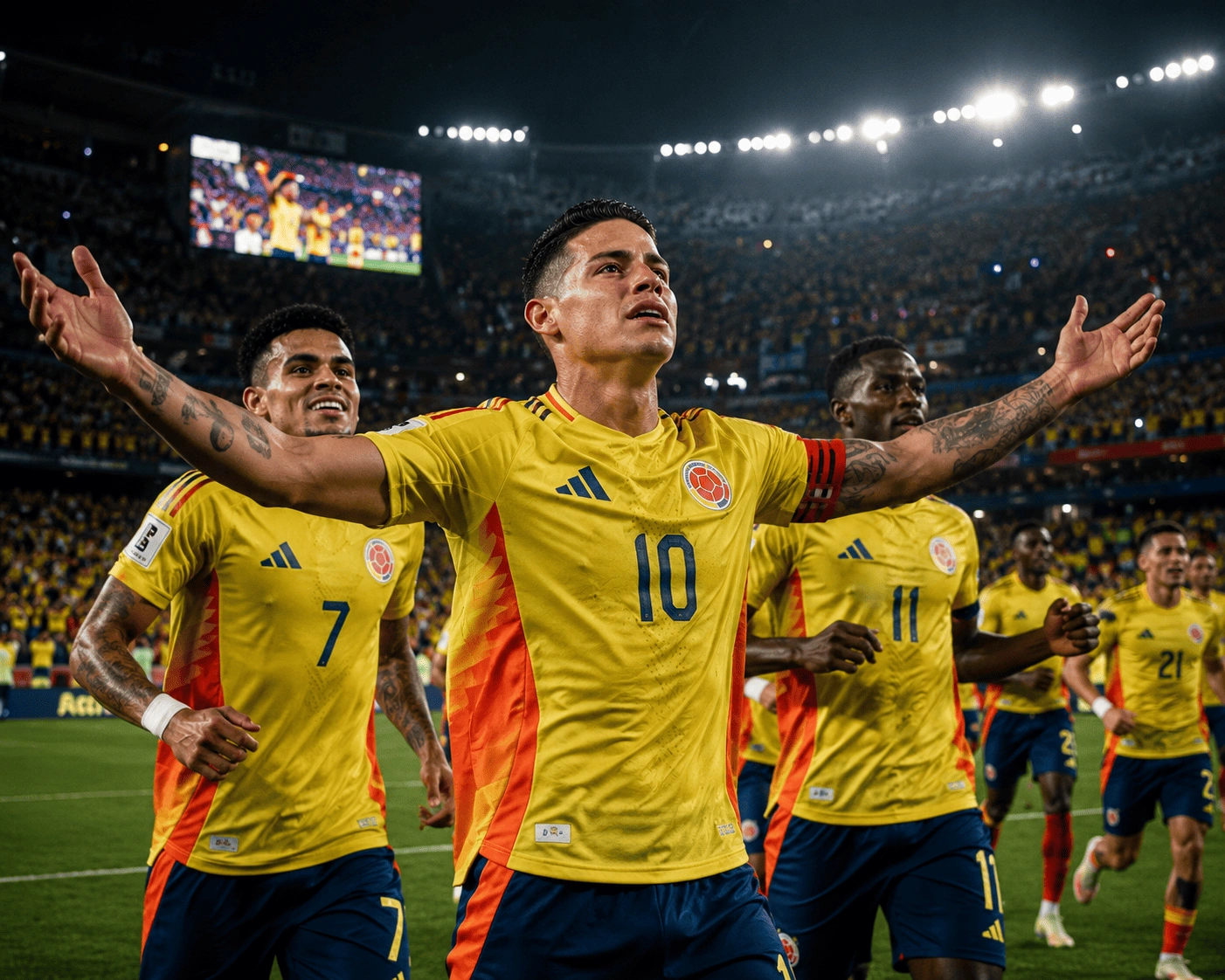
Colombia has emerged as one of the most discussed teams in the early stages of the 2026 FIFA World Cup after opening its campaign with a convincing 3-1 victory over Uzbekistan in Group K. While traditional favorites such as England, Argentina, France, Brazil, and Germany continue to dominate title discussions, Colombia is increasingly being mentioned as a potential dark horse capable of making a deep tournament run.
Strong Start Raises Expectations
Colombia’s victory over Uzbekistan showcased many of the qualities that have made the South American side a dangerous opponent in major tournaments. The team displayed attacking fluidity, effective transitions, and a willingness to press aggressively when opportunities arose.
The performance also highlighted the influence of several experienced players who have competed at the highest levels of European football. Their composure helped Colombia control key phases of the match and secure three important points.
Why Colombia Is Being Viewed as a Dark Horse
- Balanced mix of experience and emerging talent.
- Strong attacking players capable of deciding matches individually.
- Tactical flexibility against different styles of opposition.
- Growing confidence following an impressive opening result.
- Less external pressure compared to tournament favorites.
Historically, teams labeled as dark horses often benefit from entering the tournament without the intense scrutiny faced by traditional contenders. Colombia currently occupies that position.
The Luis Díaz Factor
Luis Díaz remains Colombia’s most influential attacking player. His pace, dribbling ability, and direct style create problems for opposing defenses and provide Colombia with a genuine match-winning threat.
Beyond his individual qualities, Díaz’s ability to attract defensive attention can create space for teammates, making Colombia’s attack more unpredictable.
Potential Obstacles Ahead
Despite the encouraging start, questions remain regarding Colombia’s ability to maintain consistency against elite opposition.
- Defensive organization can still be exposed during transitions.
- Squad depth may be tested during the later stages of the tournament.
- Upcoming matches against stronger opponents will provide a clearer assessment of their true level.
- Knockout football often demands experience in high-pressure situations.
Group K remains highly competitive, particularly with Portugal still expected to challenge for top position despite its opening draw against DR Congo.
Tactical Assessment
Colombia’s current structure relies heavily on quick vertical attacks and rapid transitions after winning possession. The team’s ability to move the ball forward efficiently allows it to exploit spaces before opponents can reorganize defensively.
However, maintaining compact defensive distances will be crucial as the level of opposition increases throughout the tournament.
Verdict
At this stage of the 2026 FIFA World Cup, Colombia possesses many characteristics associated with successful dark-horse teams. The squad combines technical quality, attacking threat, and tactical adaptability while avoiding the burden of being considered a tournament favorite.
Although it would be premature to place Colombia among the leading title contenders, its opening performance suggests that reaching the quarterfinals—or potentially beyond—cannot be ruled out.
Independent Assessment: Colombia should be considered a legitimate dark-horse candidate, but upcoming matches against stronger opposition will determine whether the team can transform early promise into a genuine World Cup challenge.
Source Reliability Assessment
| Source Type | Reliability |
|---|---|
| Official FIFA Match Results | High |
| Official Team Statements | High |
| Established International Media | High |
| Social Media Reactions | Low |